

Why Struggling at School Might Not Be a Focus Issue: Signs Your Child Is Battling Eye Misalignment
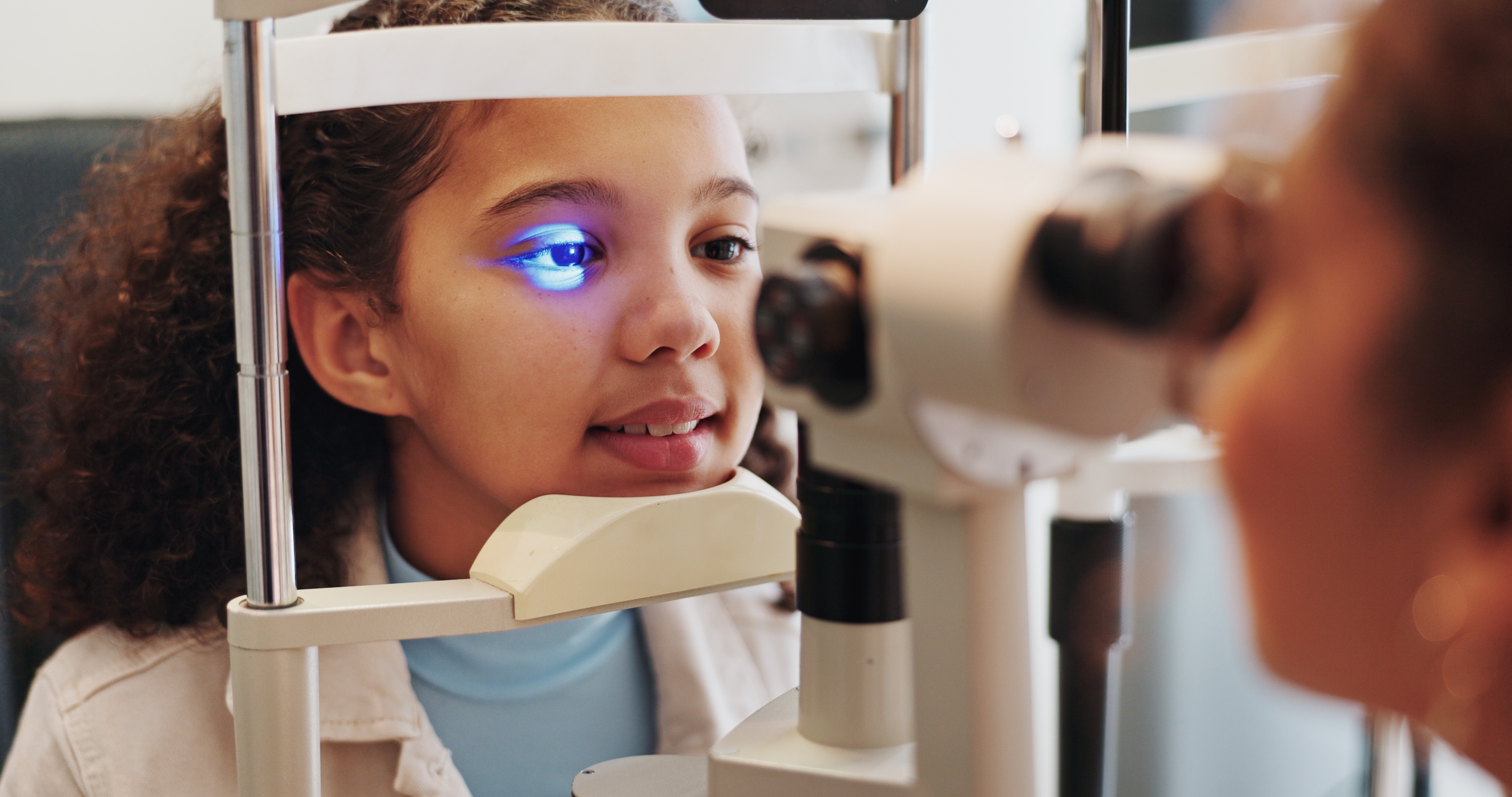
When a child loses their place while reading, avoids homework, or struggles to concentrate, it may be easy to assume they have an attention problem. However, these behaviors can sometimes be connected to an eye misalignment issue that makes reading and other close-up activities uncomfortable.
Eye misalignment can prevent the eyes from working together efficiently. Even when a child can see the board clearly, they may have difficulty coordinating both eyes during reading, writing, computer use, or homework.
How Eye Misalignment Affects Schoolwork
For comfortable vision, both eyes must point at the same target and send coordinated information to the brain. When the eyes do not align properly, the visual system may need to work harder to maintain a single, clear image.
One example is convergence insufficiency, which occurs when the eyes have trouble turning inward together for near tasks. Other forms of eye misalignment, including strabismus, may cause an eye to turn inward, outward, upward, or downward.
The added visual effort can make schoolwork tiring. A child may appear distracted or unmotivated when they are actually trying to manage eye strain, blurred vision, or unstable words on the page.
Signs Parents May Notice
Children do not always know how to explain a vision problem. They may assume everyone sees the same way they do. Possible signs of eye misalignment in children include:
• Losing their place or skipping lines while reading
• Closing or covering one eye during close work
• Complaining of headaches or tired eyes
• Seeing blurry or double images
• Rubbing their eyes frequently
• Tilting their head or turning their face to see
• Avoiding reading, homework, or other near tasks
• Having difficulty remembering what they just read
• Showing a short attention span during visually demanding activities
These symptoms do not automatically mean a child has an eye alignment condition. They do indicate that a comprehensive pediatric eye exam may be appropriate.
Why Clear Eyesight Is Not the Whole Story
A child may pass a basic vision screening because they can identify letters from a distance. However, clear distance vision is only one part of visual performance.
A comprehensive eye exam can evaluate focusing ability, eye movement, depth perception, eye alignment, and how effectively the eyes work together. This broader assessment can help identify child vision problems that may not be obvious during a standard sight check.
Early Evaluation Can Protect Visual Development
Some eye alignment problems can affect visual development when they are not identified early. Depending on the diagnosis, treatment may involve prescription glasses, prisms, patching, vision exercises, medical care, or other personalized options.
Schedule your child’s comprehensive eye evaluation with AB Vision Eye Care to identify potential eye alignment issues and support clearer, more comfortable learning. Contact our office in Kingston or Linstead, Jamaica, by calling (876) 920-3600 or (876) 903-3238 to book an appointment today.

All Eye
Care Services

Keep
In Touch
CONTACT US Our Locations
Kingston Office
| Monday | 10:00 am - 5:00 pm |
| Tuesday | 10:00 am - 5:00 pm |
| Wednesday | 10:00 am - 5:00 pm |
| Thursday | 10:00 am - 5:00 pm |
| Friday | 10:00 am - 5:00 pm |
| Saturday | 10:00 am - 4:00 pm |
| Sunday | Closed |
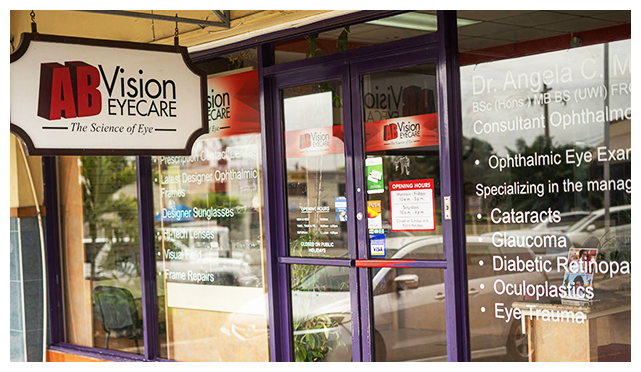
Linstead Office
| Monday | 10:00 am - 4:30 pm |
| Tuesday | 10:00 am - 4:30 pm |
| Wednesday | 10:00 am - 4:30 pm |
| Thursday | 10:00 am - 4:30 pm |
| Friday | 10:00 am - 4:30 pm |
| Saturday | 10:00 am - 4:00 pm |
| Sunday | Closed |

© 2026 AB Vision Eye Care. All Rights Reserved. Accessibility Statement - Privacy Policy - Sitemap
