

What Happens During a Diabetic Eye Exam? A Guide for Patients in Kingston and Linstead
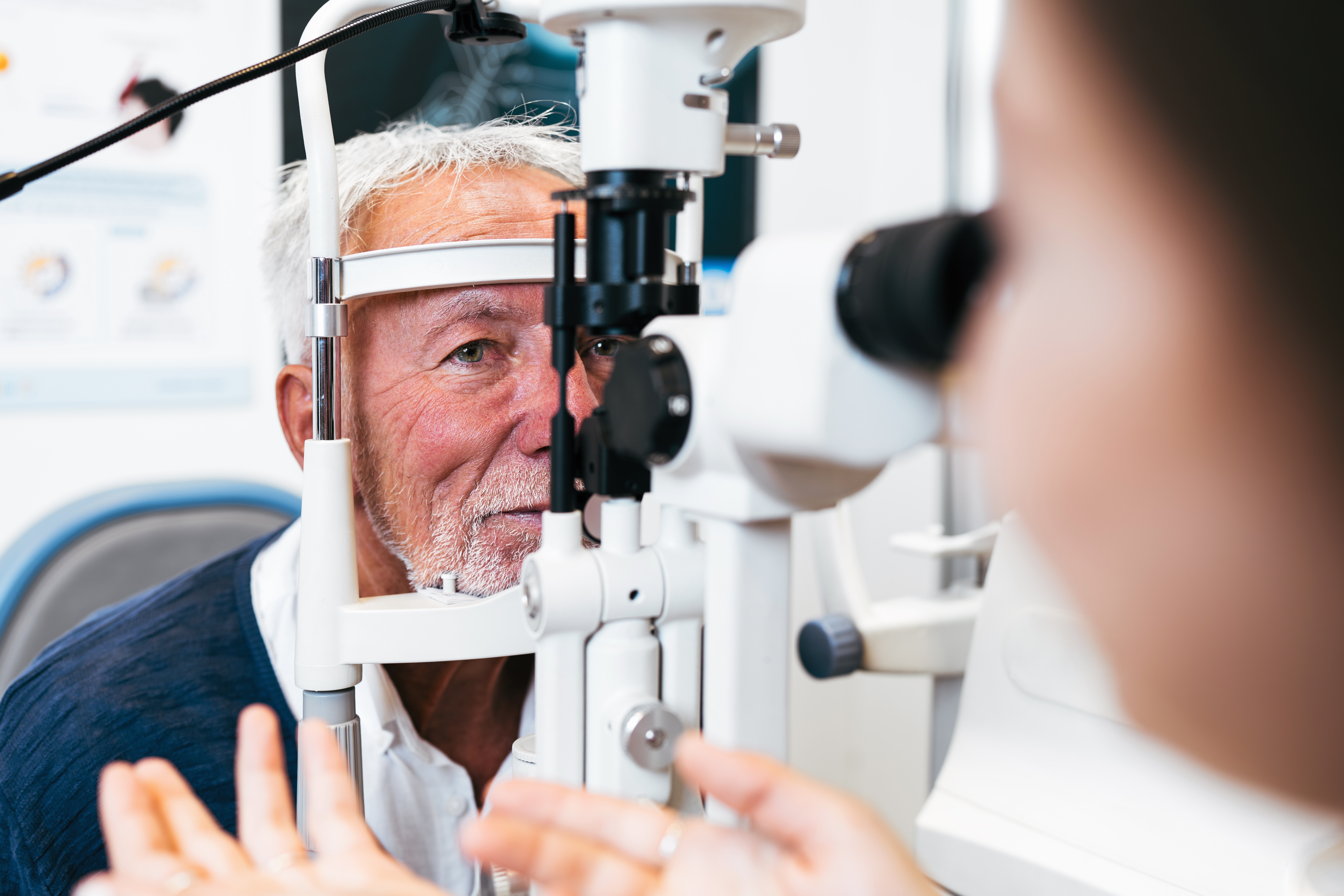
If you have diabetes, clear vision does not always mean your eyes are healthy. Diabetes can affect blood vessels in the retina before noticeable vision changes occur. At AB Vision Eye Care, our diabetic eye exams help patients in Kingston and Linstead, Jamaica, monitor their eye health and identify concerns that may need attention.
Why Are Diabetic Eye Exams Important?
High blood sugar over time can damage small blood vessels at the back of the eye, causing diabetic retinopathy. Diabetes may also increase the risk of other eye conditions.
Because early retinal changes often have no symptoms, waiting until your vision becomes blurry can delay necessary care. A diabetic eye exam looks beyond your prescription to evaluate the structures responsible for healthy vision.
What Happens Before Your Diabetic Eye Exam?
Before testing, we review your medical and vision history, including how long you have had diabetes, any recent changes in blood sugar control, and whether you have noticed blurred vision, floaters, or other symptoms.
We recommend bringing your current glasses or contact lenses, a list of medications, and any relevant medical information. Sharing recent blood pressure or blood sugar results can also help us better understand your overall eye health.
What Tests Are Included in a Diabetic Eye Exam?
A diabetic eye exam involves several steps to assess your vision and check for diabetes-related complications. Depending on your individual needs, testing may include:
· Visual Acuity Testing: Reading an eye chart to measure how clearly you see at different distances.
· Pupil Dilation: Using special eye drops to widen your pupils so we can examine the retina and other internal eye structures more thoroughly.
· Retinal Examination and Photography: Examining the back of your eyes for signs of damaged blood vessels, bleeding, swelling, or other abnormalities.
· Optical Coherence Tomography (OCT): When appropriate, using detailed imaging to examine retinal layers and check for swelling associated with diabetic eye disease.
These tests help us evaluate your retinal health and determine whether additional monitoring or treatment may be necessary.
What Should You Expect After Pupil Dilation?
Dilating eye drops may sting briefly and can cause temporary blurry near vision and sensitivity to bright light. The drops typically take some time to work, so your appointment may be longer than a basic vision check.
Most of the examination is painless, although bright lights and camera flashes may feel uncomfortable for a moment. We recommend bringing sunglasses and considering transportation arrangements if dilation makes driving difficult.
What Happens After Your Diabetic Eye Exam?
Once testing is complete, we explain our findings and discuss whether there are signs of diabetic retinopathy or other eye health concerns.
If we identify changes, we may recommend closer monitoring, additional testing, or appropriate treatment. We can also discuss how managing blood sugar, blood pressure, and cholesterol supports long-term eye health.
Even when your results are normal, regular follow-up appointments remain important because diabetes-related eye changes can develop over time.
How Often Should You Schedule a Diabetic Eye Exam?
Many people with diabetes need a comprehensive dilated eye exam annually, although the recommended schedule depends on their medical history, previous examination results, and individual risk factors.
Some patients may require more frequent monitoring. At our Kingston and Linstead offices, we can help determine an appropriate examination schedule based on your eye health needs.
If you have diabetes and want to protect your long-term vision, schedule a diabetic eye exam with AB Vision Eye Care in Kingston, Jamaica, at (876) 920-3600 or our Linstead, St. Catherine, Jamaica, office at (876) 903-3238.

All Eye
Care Services

Keep
In Touch
CONTACT US Our Locations
Kingston Office
| Monday | 10:00 am - 5:00 pm |
| Tuesday | 10:00 am - 5:00 pm |
| Wednesday | 10:00 am - 5:00 pm |
| Thursday | 10:00 am - 5:00 pm |
| Friday | 10:00 am - 5:00 pm |
| Saturday | 10:00 am - 4:00 pm |
| Sunday | Closed |
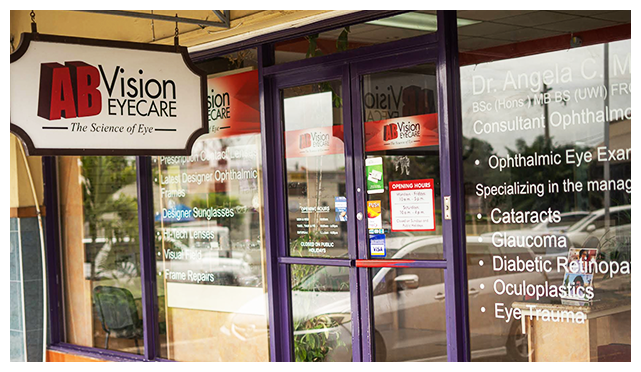
Linstead Office
| Monday | 10:00 am - 4:30 pm |
| Tuesday | 10:00 am - 4:30 pm |
| Wednesday | 10:00 am - 4:30 pm |
| Thursday | 10:00 am - 4:30 pm |
| Friday | 10:00 am - 4:30 pm |
| Saturday | 10:00 am - 4:00 pm |
| Sunday | Closed |

© 2026 AB Vision Eye Care. All Rights Reserved. Accessibility Statement - Privacy Policy - Sitemap
